WHEN WILL LITHIUM RUN DOWN, AND WHAT HAPPENS THEN?
August 15, 2025
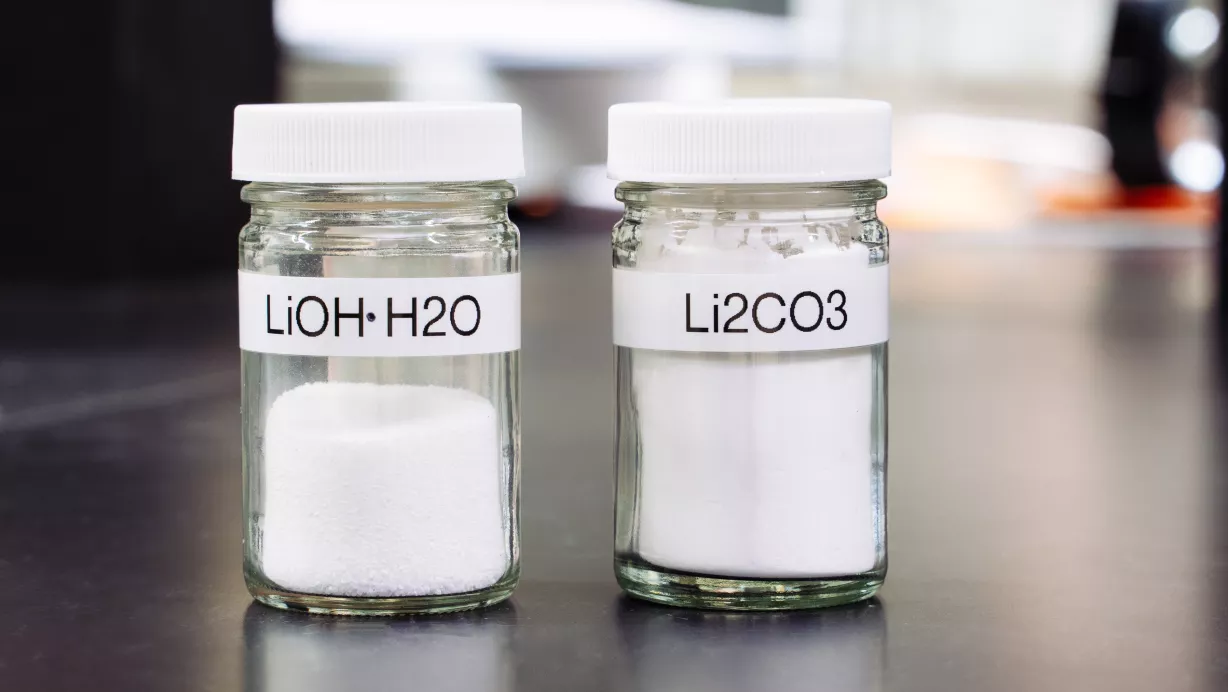
Lithium is a scarce and a non-renewable resource produced mostly from brines and pegmatites. It is an important element for Plug-In Hybrid, Electric Vehicles (EV), and Grid Storage Systems. A demand growth of 250,000–300,000 tons of lithium carbonate equivalent per year is added by the lithium market. Leading experts have estimated a supply deficit by the 2030s.
Related: How EVs are impacting the climate
The growing demand for lithium has put enormous strain on natural resources. Lithium supply faces challenges that arise from issues such as EV growth, climate change, and increasing water demand.
Scott Odell says, “With the clean energy transition, we’re exchanging a fossil fuel-based energy system with a metals-based energy system.” 1
The lithium supply is mainly concentrated in four countries—Australia, Chile, China, and Argentina.
Clayton Valley, with an area of 1,342 km2, in Nevada, is the only lithium brine deposit in production in the USA. The silver peak facility (a 38 square mile basin) from which almost all of the less than 2% of the world’s lithium comes, will be able to support about 30 years, according to Albemarle’s most recent estimates.
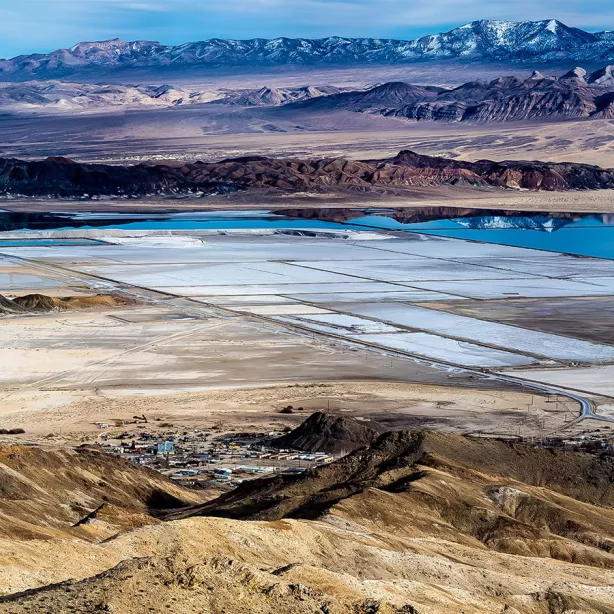
A lithium conversion facility extracts lithium from a lithium resource and converts it to such products as lithium carbonate, lithium hydroxide, and others. Recovery of lithium from brines needs a sizable space for solar evaporation ponds—can be 1 km long. Lithium salts in the brine are concentrated over a period of 18 - 24 months in a pond system, using solar evaporation. Albemarle’s Silver Peak location produces technical-grade lithium carbonate and special grades of lithium hydroxide.
Spodumene-bearing pegmatites is considered to be a major economic resource of lithium. Spodumene is the main lithium-bearing mineral out of a few lithium-bearing minerals, with commercial value—spodumene, lepidolite, petalite, and zinnwaldite.
Albemarle acquired the Kings Mountain site in 2015. Kings Mountain mine closed in the early 90s. To strengthen the US supply chain of lithium, the producer will possibly restart the King’s mine, which is a 200-acre site that sits on a spodumene ore deposit in America.
Australia accounted for 36% of the world’s lithium supply. The Government of Western Australia enabled a new lithium project—Mt Holland to produce 380,000 tons of spodumene concentrate per year, which will be refined into 50,000 tons of battery-quality lithium hydroxide.
In an interview, Mines and Mining Development Minister Winston Chitando told The SundayMail:
"We have managed to maintain our installed capacity of the various minerals in spite of the very weak commodity prices. So, the Zimbabwean mining sector is a very resilient sector and more importantly, despite these weak commodity prices, the platinum and lithium industries have actually increased installed capacity." "But more importantly, we have witnessed the plans by the lithium sector to go on to the next stage of value addition, which is really in line with the vision by His Excellency, the President." 2
References:
- 1 "How does the environmental impact of mining for clean energy metals compare to mining for coal, oil, and gas?",MIT Climate, May 2025
- 2 "PGM, lithium sub-sectors remain resilient against global shocks", SundayMail, 22 September 2024
- Albemarle Corporation.
- "Lithium Supply in the Energy Transition" (Fact Sheet), Center on Global Energy Policy, Columbia University, December 2023
- "Australia—Higher lithium exports supported by strong mine output", Export Finance Australia, May 2025
- Geochemistry of lithium-rich brines in Clayton Valley, Nevada, USA, September 2011
- Lithium extraction from hard rock lithium ores (spodumene, lepidolite, zinnwaldite, petalite): Technology, resources, environment and cost, China Geology, January 2023
- New lithium project to boost Western Australia’s battery and critical mineral credentials, Government of Western Australia, March 2025
